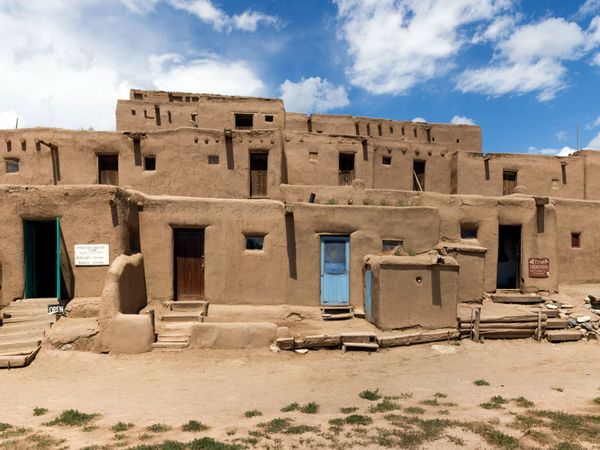
In Japan, UNESCO World Heritage Sites are extremely popular and there is even a weekly travel show dedicated to showcasing sites from all over the world. The United Nation’s Educational, Scientific and Cultural Organization (UNESCO) aims (among an incredibly long list of other duties) to designate and help to protect cultural or natural sites that show “outstanding universal value.” “Sekai isan” or World Heritage Sites, are so popular that Japanese tour companies do a steady business developing mass tours all around the world as well as within Japan itself.
While many people of heard about World Heritage Sites, I was shocked to discover while researching for this article that despite the large sums of money invested to win World Heritage status, and then the vasts amounts of sums needed to protect and maintain those sites (with of course some funds made available from UNESCO) that there is very little interest on the internet for Heritage Sites in Japan.
As little as 170 people per month, GLOBALLY, actively search for information in English on Japan’s World Heritage Sites. While the marketing value of making the list seems to be quite high, there does not seem to be a subsequent push by the ordinary tourist to find information on them over the internet. Compare this low search level with “Japan Sex” which comes in at 201,000/month and you see what the heritage of the world is up against. Yes, I somehow was able to weave “sex” into a World Heritage post ;)
Despite the lack of knowledge on World Heritage Sites, Japan is filled with them (relative to other countries) and boasts some impressive and incredibly preserved sites.
Travel to Japan’s World Heritage Sites
If you are planning a visit to Japan, you can hardly go wrong by including a few of Japan’s 16 World Heritage Sites in your itinerary. To help you out, and because I know you are not going to search for them on your own, here they are. I have been to over half of these and can’t wait to visit the rest. They are grouped by region starting north to south and include the 2 new additions that were just added in June 2011!
Cultural UNESCO Sites
Hiraizumi – Temples, Gardens and Archaeological Sites Representing the Buddhist Pure Land
Winter at Chuson-ji Temple Japan: New to the list in 2011, Hiraizumi, in Iwate Prefecture boasts a long history of beautiful temples that rivaled the size of Kyoto back in the 12th Century. The area comprises five sites, including the sacred Mount Kinkeisan. The sites boast the remnants of government offices dating from the 11th and 12th centuries when Hiraizumi was the administrative center of the northern realm of Japan. The realm was based on the cosmology of Pure Land Buddhism, which spread to Japan in the 8th century. It represented the pure land of Buddha that people aspire to after death, a type of enlightened realm. The highlights of the area include Chuson-ji Temple, with its spectacular Konjikido golden hall, Motsu-ji Temple, and the former garden of Kanjizaio-in Temple which is representative of a combination of indigenous Japanese nature worship and Shintoism and Pure Land Buddhism that developed a type of garden design unique to Japan.
Shrines and Temples of Nikko
Changing leaves in Nikko Japan: The shrines and temples of Nikko have long been associated with the wealth and power of the Tokugawa Shogunate, and together with the beautiful surrounding nature illustrate the architectural style of the Edo period. The mountains of Nikko were first worshiped as a sacred Shinto area and in the 8th century the first Buddhist building was built. The area highlights the unique nature of Japanese religious centers blending nature worship with adapted Buddhist principles. One of the main highlights is Shogun Tokugawa Iemitsu’s grand, elaborately (gaudy?) decorated mausoleum – the Toshogu – that was built in the mid 17th century. Watch out for the monkeys that are known to terrorize the town and the visitors alike.
Historic Villages of Shirakawa-go and Gokayama
Autumn colors at Shirakawa-go in Japan: Located in a mountainous regions in Gifu Prefecture (Shirakawa-go) and Toyama Prefecture (Gokayama) are cut off from the rest of Japan. These villages have Gassho-style houses with their steeply pitched thatched roofs that were designed to protect from the massive amounts of snow dumped on the area each winter by moisture extending from the Sea of Japan and are the only examples of their kind in Japan. The resident lived off of the cultivation of mulberry trees and the rearing of silkworms. It is difficult to find a more rural traditional lifestyle in Japan.
Historic Monuments of Ancient Kyoto (Kyoto, Uji and Otsu Cities)
Yes, this is three cities in one and the monuments are shared between Kyoto Prefecture and my former home Shiga Prefecture. With so many amazing historical temples and shrines in the area it would have been impossible to grant them all UNESCO status individually. If you manage to hit all of these temples and shrines then you are way ahead of the most tourists who spend a few days seeing just a few of these sites. The full list includes:
Kinkakuji Golden Temple in winterKamigamo Shrine (Kamowakeikazuchi-jinja)
Shimogamo Shrine (Kamomioya-jinja)
To-ji Temple (Kyouougokoku-ji), Minami-ku Kyoto-city
Kiyomizu Temple (Kiyomizu-dera)
Enryaku-ji Temple, Otsu-city
Daigo-ji Temple, Fushimi-ku Kyoto-city
Ninna-ji Temple, Ukyo-ku Kyoto-city
Byodoin Temple, Uji-city
Ujigami-jinja Shrine, Uji-city
Kozan-ji Temple, Ukyo-ku Kyoto-city
Saiho-ji Temple, Sakyo-ku Kyoto-city
Tenryu-ji Temple, Ukyo-ku Kyoto-city
Kinkaku-ji Temple (Rokuon-ji), Kita-ku Kyoto-city
Ginkaku-ji Temple (Jisho-ji), Sakyo-ku Kyoto-city
Ryouan-ji Temple, Ukyo-ku Kyoto-city
Hongan-ji Temple, Shimogyo-ku Kyoto-city
Nijojo Castle, Kyoto-city
Buddhist Monuments in the Horyu-ji Area, Nara Prefecture
Horyu-ji Temple in NaraWith around 48 Buddhist monuments in the Horyu-ji area, in Nara Prefecture, you could spend a whole day taking photographs. A number of them date from the late 7th or early 8th century, including the Hyoru-ji gate, main hall and pagoda, making them the oldest surviving wooden buildings in the world. These masterpieces of wooden architecture illustrate the adaptation of Chinese Buddhist architecture and layout to Japanese culture, as well as the with the introduction of Buddhism to Japan from China through the Korean peninsula.
Historic Monuments of Ancient Nara
todaiji great BuddhaLike Kyoto, there are so many sites in Ancient Nara that one can spend a few days trying to discover all of the UNESCO sites. Japan’s capital from 710-784, it is a classic site that every visitor should see. Stop to pet the free roaming deer located throughout the city and the park, visit Todai-ji the world’s largest wooden building housing Japan’s largest statue of the Buddha, or marvel at Kofuku-ji’s 5 story pagoda. Don’t forget to walk along the paths in the surrounding hills and discover centuries of stone statues and Buddhist symbols.
Sacred Sites and Pilgrimage Routes in the Kii Mountain Range
Set in the remote and dense forests of the Kii Mountains three ancient sacred sites- Yoshino and Omine, Kumano Sanzan, and Koyasan, reflect the inter-linkages between the native nature based worship of Shinto, and Buddhism which arrived from China and Korea. The sites are linked to the ancient capitals of Nara and Kyoto along pilgrimage routes that are still used today for hiking and ascetic disciple. The natural landscapes and the sites themselves have a long and well documented tradition of use and pilgrimage for over 1,200 years. The rugged mountains raising from 1,000-2,000 meters and the natural beauty of the area, which was once thought to have been the origin of the Japanese Shinto Gods, are still visited by millions of people each year. Each of the sites are worth a visit but are spread out quite a bit. Koyasan is the headquarters of Shingon Buddhism, a form of esoteric Buddhism and its founder Kobodaishi is one of the great Japanese historical figures. He is also the founder of the Shikoku Pilgrimage.
Kumano Sanzan on Kii Peninsula in Japan
Approaching a small Shinto Shrine in the Kii Mountains
Yoshino and Omine is the northern-most site near to Nara. The Yoshino or northern part of the site was the most important sacred mountain in Japan by the 10th century and was the object of mountain worship, Shinto, in the 7th and 8th centuries. Later in the 8th century it became one of the prime sacred places for the Shugen sect of ascetic Buddhism, and the Omine in the southern part of the site was also known for its harsh mountain ascetic rituals and particular fusion of Shinto and Buddhism.
Kumano Sanzan is the furthest south and has three main shrines, and two temples, connected by a pilgrims’ route. The site also reflects the Shinto and Shugen sect of Shinto-Buddhism and the wooden architecture is considered some of the best in Japan.
Himeji-jo
Himeji Castle, Japan: This is possibly Japan’s best preserved and most beautiful castle. The castle site includes 83 buildings with highly developed systems of defense and and creative means of protection dating from the beginning of the Shogun period. The original castle was built in the 14th century and the existing castle was built by Toyotomi Hideyoshi in 1580. It was further enlarged 30 years later by Ikeda Terumasa. This is one of those sites that is a must see for any visitor to Japan.
Iwami Ginzan Silver Mine and its Cultural Landscape
Inside Iwami Ginzan Silver Mine: The Iwami Ginzan Silver Mine in Shimane Prefecture in the south east of Japan’s main island, Honshu, is a mountainous area reaching 600 meters cut through by deep river valleys featuring the archaeological remains of large-scale mines, smelting and refining sites and mining settlements worked between the 16th and 20th centuries. The mines produced most of silver and gold in south-east Asia in the 16th and 17th centuries with shipping routes to China and the Korean peninsula. The site includes fortresses, a number of temples that catered to the short life expectancy of silver miners of the time, and three port towns Tomogaura, Okidomari and Yunotsu, from where the ore was shipped.
Hiroshima Peace Memorial (Genbaku Dome)
Hiroshima Genbaku Dome: This used to be the Industrial Promotion Hall, but after being at the hypocenter of the atomic bombing of Hiroshima in 1945 the partially standing remains are now a reminder of the world’s first atomic attack. It was the only building in the area to survive the blast and has been kept in its original state by the city of Hiroshima. Each year on August 6th, services are held at the dome in remembrance and a moment of silence is observed. The Dome stands opposite of the Peace Memorial Park.
Itsukushima Shinto Shrine
Miyajima and Itsukushima Shrine: The island of Itsukushima, in the Seto inland sea, has been a sacred place for Shintoism since the earliest times. The shrines main torii gates, better know as the “floating shrine,” rises out of the the ocean during high tide and is one of the enduring images of Japan. The first shrine buildings were around the 6th century with the present shrine being erected in the 12th century. The shrine plays on the contrasts in color and form between mountains and sea and is a remarkable illustration of Japan’s sense of beauty which highlights the balance between nature and humans.
Gusuku Sites and Related Properties of the Kingdom of Ryukyu, Okinawa Prefecture
The Ryukyu Kingdom in Okinawa served as the economic and cultural hub between Japan, China, Korea and the rest of south-east Asia for several centuries. The area is dotted with fortresses and castles with the main attraction being Shuri-jo a castle with a particularly Chinese flavor to it. The castle was the seat of power in the area from the 15th century to 1879 when Okinawa was taken under full control by the Japanese government. Unfortunately the castle was almost fully destroyed during WWII and the current building is a reconstruction.
Natural UNESCO Sites
Shiretoko
Shiretoko Hokkaido's Oshinkoshin Waterfall: If Hokkaido is often refereed to as the most American area in Japan with it’s wide open spaces then Shiretoko must be the Alaska of Japan.The Shiretoko Peninsula in north eastern Hokkaido is a remote, untouched wilderness accessible only by boat or a long trekking expedition. The Peninsula is 65 km long and 25 km wide, houses a number of rare plant and animal life and is home to the world’s highest number of brown bears. The site is globally important for threatened seabirds and migratory birds and for marine mammals including Steller’s sea lion. Good luck getting there!
Shirakami-Sanchi
Lake in Shirakami Beech Forest : Located in Akita Prefecture in northern Honshu the area consists mainly of virgin Siebold’s beech forests that once spread all over Northern Japan. Black bears inhabit the area and a traditional faith ceremony and traditional bear hunting still takes place from time to time. The beech forest is almost entirely undisturbed with few access trails or man-made facilities. There is occasional use by bear hunters but in general the area is protected and has a buffer zone around it.
Ogasawara Islands
Ogasawara Isands Japan: One of two new Heritage sites listed in 2011 the beautiful topical islands of Ogasawara are technically a part of Tokyo but are located over 1,000 km to the south and consist of over 30 islands. Often call the Galapagos of Asia the islands have never physically been attached to any other part of Japan leaving the flora and fauna millions of the years to evolve into distinct species, including the Bonin Flying Fox. About 2,500 residents live on the islands which can only be reach by a 25 1/2 hour ferry ride from Tokyo. The surrounding ocean is home to an abundance of sea life and is an ideal place to watch Humpback and Sperm whales.
Yakushima
Yakushima Island Japan : This island located just to the South of Kyushu, Japan’s southern most main island, is a wonderland of ancient cedar trees and an abundance of plant species with over 1,900 recorded. The massive Yaku-sugi, are endemic to the island transforming the island into enchanting land. Combined with the monkeys, and sparking blue waters around the island it is impossible not feel in awe of the natural wonders.
While many people of heard about World Heritage Sites, I was shocked to discover while researching for this article that despite the large sums of money invested to win World Heritage status, and then the vasts amounts of sums needed to protect and maintain those sites (with of course some funds made available from UNESCO) that there is very little interest on the internet for Heritage Sites in Japan.
As little as 170 people per month, GLOBALLY, actively search for information in English on Japan’s World Heritage Sites. While the marketing value of making the list seems to be quite high, there does not seem to be a subsequent push by the ordinary tourist to find information on them over the internet. Compare this low search level with “Japan Sex” which comes in at 201,000/month and you see what the heritage of the world is up against. Yes, I somehow was able to weave “sex” into a World Heritage post ;)
Despite the lack of knowledge on World Heritage Sites, Japan is filled with them (relative to other countries) and boasts some impressive and incredibly preserved sites.
Travel to Japan’s World Heritage Sites
If you are planning a visit to Japan, you can hardly go wrong by including a few of Japan’s 16 World Heritage Sites in your itinerary. To help you out, and because I know you are not going to search for them on your own, here they are. I have been to over half of these and can’t wait to visit the rest. They are grouped by region starting north to south and include the 2 new additions that were just added in June 2011!
Cultural UNESCO Sites
Hiraizumi – Temples, Gardens and Archaeological Sites Representing the Buddhist Pure Land
Winter at Chuson-ji Temple Japan: New to the list in 2011, Hiraizumi, in Iwate Prefecture boasts a long history of beautiful temples that rivaled the size of Kyoto back in the 12th Century. The area comprises five sites, including the sacred Mount Kinkeisan. The sites boast the remnants of government offices dating from the 11th and 12th centuries when Hiraizumi was the administrative center of the northern realm of Japan. The realm was based on the cosmology of Pure Land Buddhism, which spread to Japan in the 8th century. It represented the pure land of Buddha that people aspire to after death, a type of enlightened realm. The highlights of the area include Chuson-ji Temple, with its spectacular Konjikido golden hall, Motsu-ji Temple, and the former garden of Kanjizaio-in Temple which is representative of a combination of indigenous Japanese nature worship and Shintoism and Pure Land Buddhism that developed a type of garden design unique to Japan.
Shrines and Temples of Nikko
Changing leaves in Nikko Japan: The shrines and temples of Nikko have long been associated with the wealth and power of the Tokugawa Shogunate, and together with the beautiful surrounding nature illustrate the architectural style of the Edo period. The mountains of Nikko were first worshiped as a sacred Shinto area and in the 8th century the first Buddhist building was built. The area highlights the unique nature of Japanese religious centers blending nature worship with adapted Buddhist principles. One of the main highlights is Shogun Tokugawa Iemitsu’s grand, elaborately (gaudy?) decorated mausoleum – the Toshogu – that was built in the mid 17th century. Watch out for the monkeys that are known to terrorize the town and the visitors alike.
Historic Villages of Shirakawa-go and Gokayama
Autumn colors at Shirakawa-go in Japan: Located in a mountainous regions in Gifu Prefecture (Shirakawa-go) and Toyama Prefecture (Gokayama) are cut off from the rest of Japan. These villages have Gassho-style houses with their steeply pitched thatched roofs that were designed to protect from the massive amounts of snow dumped on the area each winter by moisture extending from the Sea of Japan and are the only examples of their kind in Japan. The resident lived off of the cultivation of mulberry trees and the rearing of silkworms. It is difficult to find a more rural traditional lifestyle in Japan.
Historic Monuments of Ancient Kyoto (Kyoto, Uji and Otsu Cities)
Yes, this is three cities in one and the monuments are shared between Kyoto Prefecture and my former home Shiga Prefecture. With so many amazing historical temples and shrines in the area it would have been impossible to grant them all UNESCO status individually. If you manage to hit all of these temples and shrines then you are way ahead of the most tourists who spend a few days seeing just a few of these sites. The full list includes:
Kinkakuji Golden Temple in winterKamigamo Shrine (Kamowakeikazuchi-jinja)
Shimogamo Shrine (Kamomioya-jinja)
To-ji Temple (Kyouougokoku-ji), Minami-ku Kyoto-city
Kiyomizu Temple (Kiyomizu-dera)
Enryaku-ji Temple, Otsu-city
Daigo-ji Temple, Fushimi-ku Kyoto-city
Ninna-ji Temple, Ukyo-ku Kyoto-city
Byodoin Temple, Uji-city
Ujigami-jinja Shrine, Uji-city
Kozan-ji Temple, Ukyo-ku Kyoto-city
Saiho-ji Temple, Sakyo-ku Kyoto-city
Tenryu-ji Temple, Ukyo-ku Kyoto-city
Kinkaku-ji Temple (Rokuon-ji), Kita-ku Kyoto-city
Ginkaku-ji Temple (Jisho-ji), Sakyo-ku Kyoto-city
Ryouan-ji Temple, Ukyo-ku Kyoto-city
Hongan-ji Temple, Shimogyo-ku Kyoto-city
Nijojo Castle, Kyoto-city
Buddhist Monuments in the Horyu-ji Area, Nara Prefecture
Horyu-ji Temple in NaraWith around 48 Buddhist monuments in the Horyu-ji area, in Nara Prefecture, you could spend a whole day taking photographs. A number of them date from the late 7th or early 8th century, including the Hyoru-ji gate, main hall and pagoda, making them the oldest surviving wooden buildings in the world. These masterpieces of wooden architecture illustrate the adaptation of Chinese Buddhist architecture and layout to Japanese culture, as well as the with the introduction of Buddhism to Japan from China through the Korean peninsula.
Historic Monuments of Ancient Nara
todaiji great BuddhaLike Kyoto, there are so many sites in Ancient Nara that one can spend a few days trying to discover all of the UNESCO sites. Japan’s capital from 710-784, it is a classic site that every visitor should see. Stop to pet the free roaming deer located throughout the city and the park, visit Todai-ji the world’s largest wooden building housing Japan’s largest statue of the Buddha, or marvel at Kofuku-ji’s 5 story pagoda. Don’t forget to walk along the paths in the surrounding hills and discover centuries of stone statues and Buddhist symbols.
Sacred Sites and Pilgrimage Routes in the Kii Mountain Range
Set in the remote and dense forests of the Kii Mountains three ancient sacred sites- Yoshino and Omine, Kumano Sanzan, and Koyasan, reflect the inter-linkages between the native nature based worship of Shinto, and Buddhism which arrived from China and Korea. The sites are linked to the ancient capitals of Nara and Kyoto along pilgrimage routes that are still used today for hiking and ascetic disciple. The natural landscapes and the sites themselves have a long and well documented tradition of use and pilgrimage for over 1,200 years. The rugged mountains raising from 1,000-2,000 meters and the natural beauty of the area, which was once thought to have been the origin of the Japanese Shinto Gods, are still visited by millions of people each year. Each of the sites are worth a visit but are spread out quite a bit. Koyasan is the headquarters of Shingon Buddhism, a form of esoteric Buddhism and its founder Kobodaishi is one of the great Japanese historical figures. He is also the founder of the Shikoku Pilgrimage.
Kumano Sanzan on Kii Peninsula in Japan
Approaching a small Shinto Shrine in the Kii Mountains
Yoshino and Omine is the northern-most site near to Nara. The Yoshino or northern part of the site was the most important sacred mountain in Japan by the 10th century and was the object of mountain worship, Shinto, in the 7th and 8th centuries. Later in the 8th century it became one of the prime sacred places for the Shugen sect of ascetic Buddhism, and the Omine in the southern part of the site was also known for its harsh mountain ascetic rituals and particular fusion of Shinto and Buddhism.
Kumano Sanzan is the furthest south and has three main shrines, and two temples, connected by a pilgrims’ route. The site also reflects the Shinto and Shugen sect of Shinto-Buddhism and the wooden architecture is considered some of the best in Japan.
Himeji-jo
Himeji Castle, Japan: This is possibly Japan’s best preserved and most beautiful castle. The castle site includes 83 buildings with highly developed systems of defense and and creative means of protection dating from the beginning of the Shogun period. The original castle was built in the 14th century and the existing castle was built by Toyotomi Hideyoshi in 1580. It was further enlarged 30 years later by Ikeda Terumasa. This is one of those sites that is a must see for any visitor to Japan.
Iwami Ginzan Silver Mine and its Cultural Landscape
Inside Iwami Ginzan Silver Mine: The Iwami Ginzan Silver Mine in Shimane Prefecture in the south east of Japan’s main island, Honshu, is a mountainous area reaching 600 meters cut through by deep river valleys featuring the archaeological remains of large-scale mines, smelting and refining sites and mining settlements worked between the 16th and 20th centuries. The mines produced most of silver and gold in south-east Asia in the 16th and 17th centuries with shipping routes to China and the Korean peninsula. The site includes fortresses, a number of temples that catered to the short life expectancy of silver miners of the time, and three port towns Tomogaura, Okidomari and Yunotsu, from where the ore was shipped.
Hiroshima Peace Memorial (Genbaku Dome)
Hiroshima Genbaku Dome: This used to be the Industrial Promotion Hall, but after being at the hypocenter of the atomic bombing of Hiroshima in 1945 the partially standing remains are now a reminder of the world’s first atomic attack. It was the only building in the area to survive the blast and has been kept in its original state by the city of Hiroshima. Each year on August 6th, services are held at the dome in remembrance and a moment of silence is observed. The Dome stands opposite of the Peace Memorial Park.
Itsukushima Shinto Shrine
Miyajima and Itsukushima Shrine: The island of Itsukushima, in the Seto inland sea, has been a sacred place for Shintoism since the earliest times. The shrines main torii gates, better know as the “floating shrine,” rises out of the the ocean during high tide and is one of the enduring images of Japan. The first shrine buildings were around the 6th century with the present shrine being erected in the 12th century. The shrine plays on the contrasts in color and form between mountains and sea and is a remarkable illustration of Japan’s sense of beauty which highlights the balance between nature and humans.
Gusuku Sites and Related Properties of the Kingdom of Ryukyu, Okinawa Prefecture
The Ryukyu Kingdom in Okinawa served as the economic and cultural hub between Japan, China, Korea and the rest of south-east Asia for several centuries. The area is dotted with fortresses and castles with the main attraction being Shuri-jo a castle with a particularly Chinese flavor to it. The castle was the seat of power in the area from the 15th century to 1879 when Okinawa was taken under full control by the Japanese government. Unfortunately the castle was almost fully destroyed during WWII and the current building is a reconstruction.
Natural UNESCO Sites
Shiretoko
Shiretoko Hokkaido's Oshinkoshin Waterfall: If Hokkaido is often refereed to as the most American area in Japan with it’s wide open spaces then Shiretoko must be the Alaska of Japan.The Shiretoko Peninsula in north eastern Hokkaido is a remote, untouched wilderness accessible only by boat or a long trekking expedition. The Peninsula is 65 km long and 25 km wide, houses a number of rare plant and animal life and is home to the world’s highest number of brown bears. The site is globally important for threatened seabirds and migratory birds and for marine mammals including Steller’s sea lion. Good luck getting there!
Shirakami-Sanchi
Lake in Shirakami Beech Forest : Located in Akita Prefecture in northern Honshu the area consists mainly of virgin Siebold’s beech forests that once spread all over Northern Japan. Black bears inhabit the area and a traditional faith ceremony and traditional bear hunting still takes place from time to time. The beech forest is almost entirely undisturbed with few access trails or man-made facilities. There is occasional use by bear hunters but in general the area is protected and has a buffer zone around it.
Ogasawara Islands
Ogasawara Isands Japan: One of two new Heritage sites listed in 2011 the beautiful topical islands of Ogasawara are technically a part of Tokyo but are located over 1,000 km to the south and consist of over 30 islands. Often call the Galapagos of Asia the islands have never physically been attached to any other part of Japan leaving the flora and fauna millions of the years to evolve into distinct species, including the Bonin Flying Fox. About 2,500 residents live on the islands which can only be reach by a 25 1/2 hour ferry ride from Tokyo. The surrounding ocean is home to an abundance of sea life and is an ideal place to watch Humpback and Sperm whales.
Yakushima
Yakushima Island Japan : This island located just to the South of Kyushu, Japan’s southern most main island, is a wonderland of ancient cedar trees and an abundance of plant species with over 1,900 recorded. The massive Yaku-sugi, are endemic to the island transforming the island into enchanting land. Combined with the monkeys, and sparking blue waters around the island it is impossible not feel in awe of the natural wonders.